How to Make Homeschooling Fun Without Making Every Lesson a Production
I have been homeschooling for nine years now, and I’ll be the five millionth mom to say it: one of the great gifts of homeschooling is that learning does not have to look like a classroom.
It can happen around the kitchen table, on a muddy nature walk, while measuring flour for muffins, curled up together with a beautiful book, or in the middle of a conversation that began with one small question.
Of course, that does not mean every homeschool day feels magical.
There are still math lessons that take longer than expected, children who would rather build forts than practise handwriting, toddlers climbing onto the table, and afternoons when everyone seems tired before lunch.
Making homeschooling fun does not mean turning every lesson into an elaborate themed activity. It does not mean buying bins of supplies, planning Pinterest-perfect projects, or becoming a full-time entertainer.
Often, it simply means allowing learning to be more human.
It means making room for curiosity, stories, movement, meaningful work, beautiful ideas, and the interests already alive in your children.
Here are some simple ways to bring more joy into your homeschool without making your days complicated.
Begin With Good Books
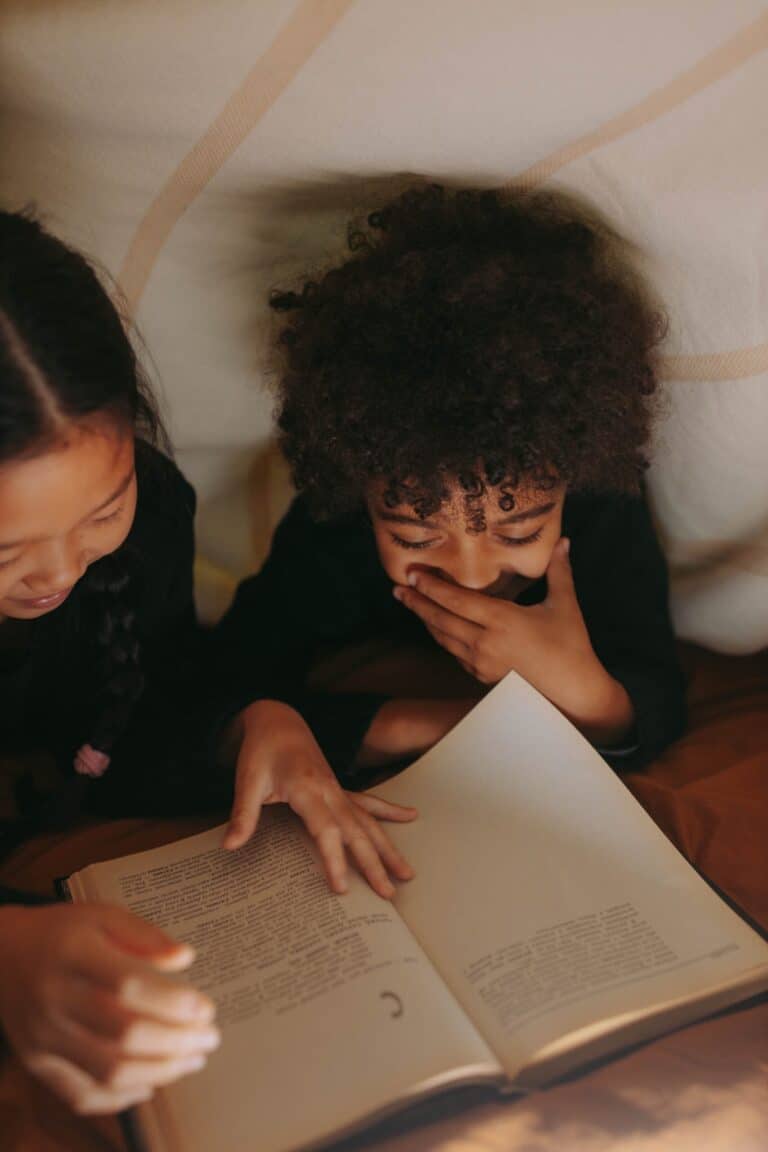
One of the simplest ways to make homeschooling more enjoyable is to build your days around books worth reading.
A beautiful story can carry a child into another time, place, or way of life far more naturally than a page of disconnected facts.
History becomes more memorable when children meet real people through biographies, historical fiction, myths, legends, and primary sources. Science becomes richer when they read about naturalists, inventors, animals, weather, oceans, or the night sky in books written with genuine wonder.
Even subjects that feel dry can come alive when they are connected to a story.
Read aloud often, including to older children. Audiobooks can also be a wonderful part of family life, especially during lunch, quiet time, long drives, drawing, or handwork.
You do not need to create an activity for every book. Sometimes the best response is simply to enjoy it, talk about it, and let the story settle into your child’s imagination.
Follow Their Questions
Children are naturally curious, although that curiosity can become harder to see when every part of their day is predetermined.
Pay attention to the questions your children are already asking.
Why do leaves change colour? How did castles stay warm? Could we grow potatoes in a bucket? Why does the moon sometimes appear during the day? How do birds know where to migrate?
Not every question needs to become a full unit study, but some are worth following.
Look up the answer together. Find a library book. Watch a helpful documentary. Draw a diagram. Try an experiment. Visit a museum. Ask someone who knows more than you do.
Child-led learning does not mean children decide everything they will ever study. Parents still have the responsibility to provide a broad and thoughtful education.
It simply means leaving enough breathing room for their interests to matter.
Bring Lessons Into Real Life
Some of the most useful learning happens when children participate in the real work of home and family life.
Cooking includes reading, fractions, measurement, chemistry, timing, and practical problem-solving.
Gardening offers lessons in botany, weather, insects, soil, patience, and stewardship.
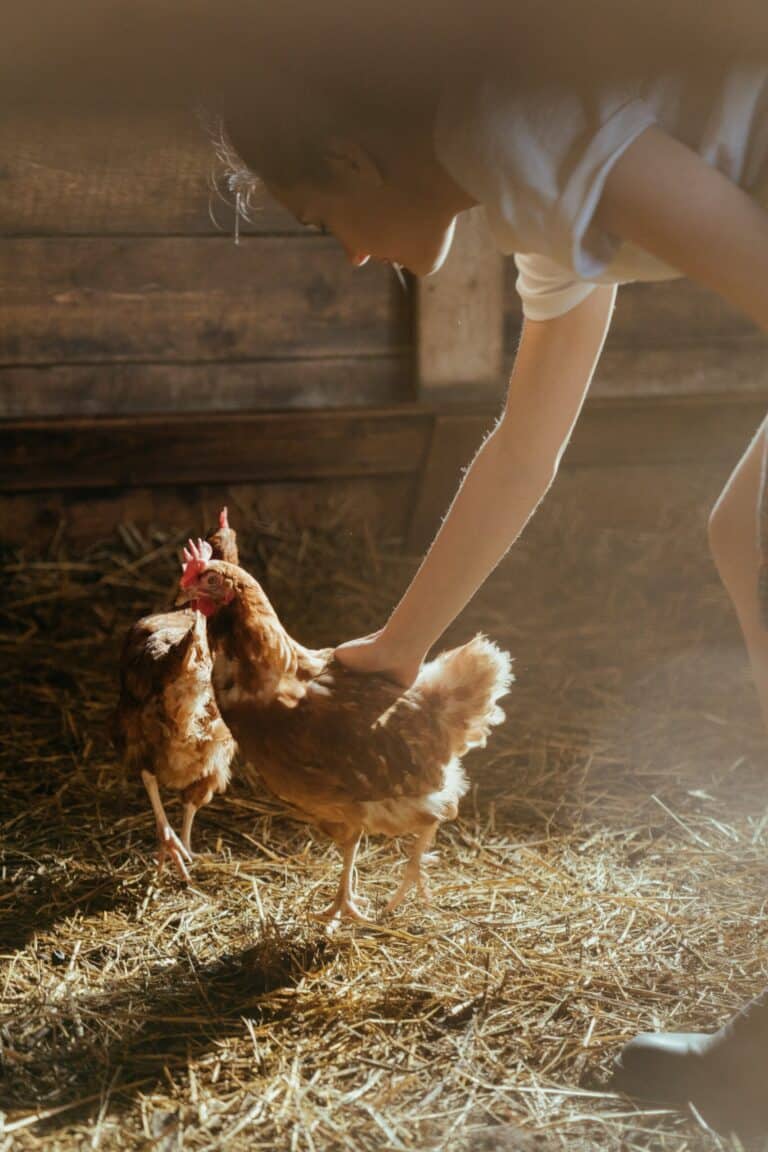
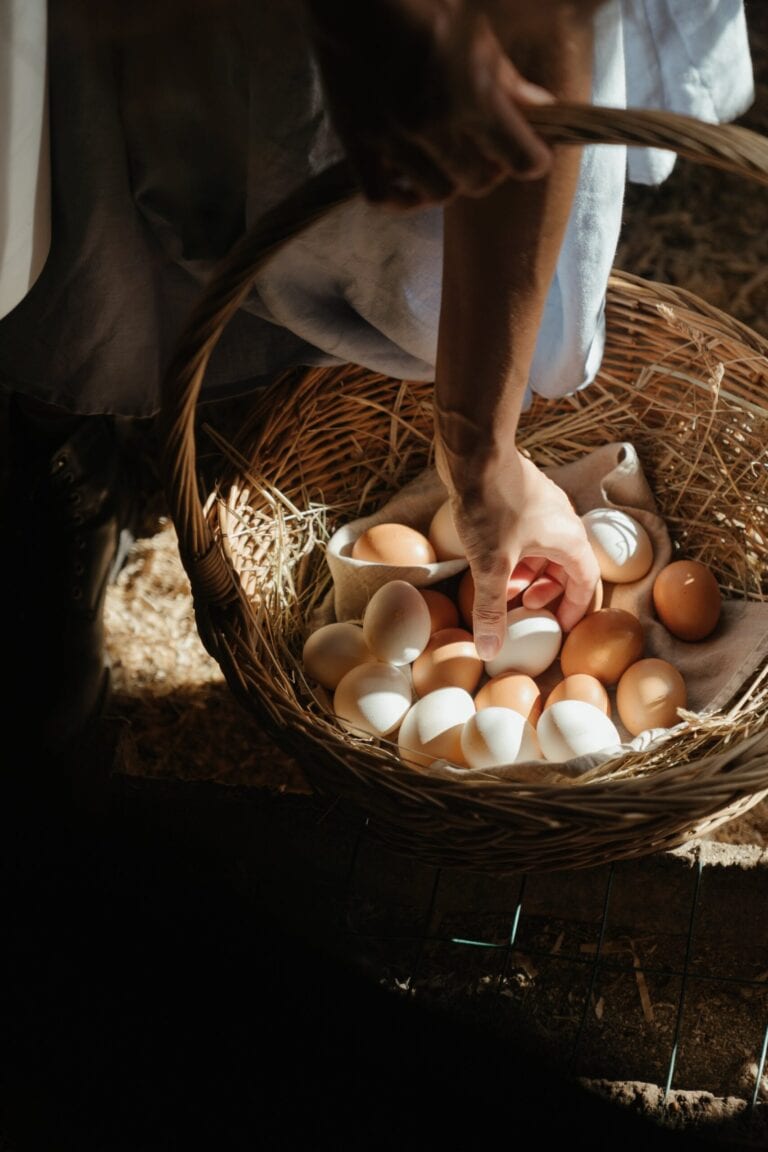
Woodworking, sewing, budgeting, grocery shopping, caring for animals, preserving food, repairing things, and planning a trip all require meaningful skills.
Children often become more interested in a subject when they understand why it matters.
A child who resists a page of measurement problems may happily double a cookie recipe. A reluctant writer may eagerly make labels for a pretend shop or write instructions for a game he invented.
This does not mean every academic lesson needs to be disguised. Children also need to learn that some worthwhile things require effort.
But connecting skills to useful, purposeful work can help children understand that education is not separate from life.
Take Learning Outside
The outdoors has a way of changing the atmosphere of a homeschool day.
A short walk can settle restless children, spark new questions, and give everyone a fresh start.
You do not need a formal nature-study curriculum to begin. Walk slowly. Notice what is growing. Listen for birds. Turn over a rock. Watch clouds move. Look for animal tracks. Sketch a flower or collect a few fallen leaves.
Bring a field guide when you can, but do not worry about naming everything.
The habit of careful attention is valuable on its own.
You can also move ordinary lessons outdoors. Read aloud on a blanket, practise math facts with sidewalk chalk, write spelling words in the dirt, or do lessons at a picnic table.
Sometimes a change of setting is enough to make a familiar task feel new again.
Use Games Thoughtfully
Games can make practice feel more natural, particularly for subjects that require repetition.
Card games can reinforce addition, subtraction, multiplication, logic, and probability. Word games can build vocabulary and spelling. Puzzles develop patience and visual reasoning.
You can also create very simple games without buying anything special.
Write review questions on slips of paper. Use toy animals as math counters. Toss a ball back and forth while practising memory work. Hide phonics cards around the room. Let children earn pieces to build a Lego creation after answering questions.
Educational games work best when they remain enjoyable. If a game becomes complicated, overly competitive, or more stressful than the original lesson, it is perfectly fine to set it aside.
Make Room for Hands-On Work
Children were made to use their hands.
Simple projects can help them see ideas more clearly and remember what they have learned.
This might include:
- Baking bread while learning about fermentation
- Building a simple shelter during a survival unit
- Creating a salt-dough map
- Dissecting a flower
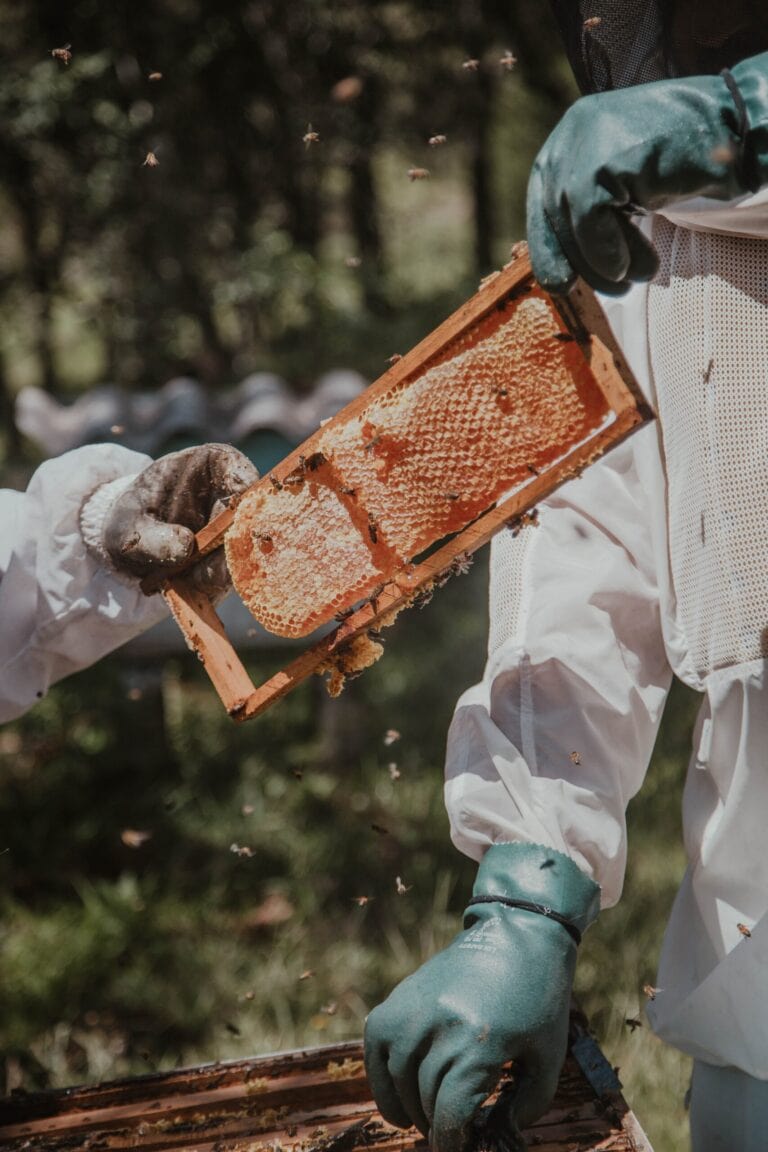
- Making beeswax candles
- Growing beans in a jar
- Painting a scene from a history lesson
- Learning knots
- Sewing a small project
- Building a model with cardboard and tape
Hands-on learning does not have to be elaborate. In fact, the simplest projects are often the ones that actually happen.
Choose activities that genuinely deepen the lesson or teach a useful skill rather than adding projects simply to fill time.
Include Art, Music, and Beautiful Things
Art and music should not be reserved for children who seem especially talented.
They are part of a rich education and can bring beauty into even an ordinary week.
Listen to a composer during lunch. Study one painting closely. Learn a folk song, hymn, or piece of poetry by heart. Keep simple art supplies within reach. Let children draw while listening to a read-aloud.
You might spend a term getting to know one composer or artist rather than rushing through many.
Children do not need lengthy lectures. A few minutes of attentive listening or observation, repeated regularly, can gradually form their taste and deepen their appreciation.
In a Catholic home, sacred art, hymns, feast days, and the liturgical year also provide natural opportunities to encounter beauty, history, symbolism, and tradition.
Let Children Create Something of Their Own
Children need opportunities not only to receive ideas but also to make, build, write, perform, and invent.
A child might create a comic, write a short story, build a model village, start a nature journal, design a board game, make a stop-motion video, put on a play, create a family newspaper, or plan a small business.
These projects often draw together many different skills without requiring a worksheet for each one.
They also help children experience the satisfaction of carrying an idea from beginning to completion.
Try not to take over. Offer support, supplies, and guidance, but leave room for the work to remain truly theirs.
A slightly crooked project made independently is often far more valuable than a polished project completed mostly by an adult.
Change the Rhythm When Everyone Is Stuck
Sometimes the problem is not the curriculum. Everyone simply needs a change.
If your morning has fallen apart, pause for a snack and a read-aloud. Take a walk. Put on music. Move to a different room. Save one subject for later. Let the youngest children play while you work with an older child.
Homeschooling gives families flexibility, and flexibility is not the same as a lack of discipline.
A good rhythm supports your family. It should not become a burden that prevents you from responding wisely to the day in front of you.
You may find that your children work best early in the morning, after time outside, or in short lessons with breaks between them.
Notice what is actually working in your home rather than trying to force your family into someone else’s ideal schedule.
Keep Lessons Short and Focused
Long lessons do not always produce more learning.
For younger children especially, short and attentive lessons are often more effective than dragging through pages of work after focus has disappeared.
A child may be able to give ten excellent minutes to copywork, narration, phonics, or math facts before needing a change of subject.
You can gradually increase lesson length as attention grows, even Charlotte Mason says so!
This helps preserve a child’s best effort and prevents every subject from becoming exhausting.
It is often better to stop after a short period of focused work than to continue until both parent and child are frustrated.
Allow Time for Free Play
Unstructured play is not wasted time.
Children process ideas through play. They experiment, negotiate, imagine, build, solve problems, and create entire worlds.
A child who has been reading about knights may spend the afternoon building a castle. A nature walk may inspire a backyard habitat. A story may become a game that lasts for weeks.
Not every good thing needs to be measured or turned into a lesson.
A generous amount of free time gives children the space to develop interests, practise independence, and make their own discoveries.
Celebrate Progress Without Making Everything a Reward
It is good to notice effort and growth.
Display a finished painting. Let a child read his completed story aloud. Celebrate finishing a difficult book or mastering a new skill. Make hot chocolate after a winter nature walk. Have a special lunch at the end of a term.
These small traditions can create warm family memories.
At the same time, children do not need a prize for every page of math or every completed lesson.
The deeper goal is to help them experience the natural satisfaction of learning, working diligently, understanding something difficult, and contributing to family life.
Encouragement matters, but it does not always need to come in the form of stickers, treats, or elaborate reward systems.
Do Not Be Afraid of Ordinary Work
Fun is not the only measure of a good education.
There will be days when learning feels exciting and days when it feels ordinary. There will be subjects a child loves and skills that require persistence.
A rich homeschool includes delight, but it also includes habit, discipline, repetition, and hard work.
Children can learn that something does not need to be entertaining every moment to be worthwhile.
The goal is not to remove every difficulty. It is to create a home where effort is supported, curiosity is welcomed, and learning is connected to a meaningful life.
Making Homeschooling Joyful
Homeschooling becomes more enjoyable when we stop trying to reproduce school at home and begin to see the entire life of the family as part of education.
Learning can be found in books, conversations, chores, nature, prayer, music, mistakes, projects, and ordinary afternoons together.
You do not need to make every day extraordinary.
Read good books. Go outside. Follow interesting questions. Teach useful skills. Make beautiful things. Leave room for play. Slow down enough to notice what is already capturing your children’s attention.
A joyful homeschool is not necessarily loud, exciting, or filled with activities.
Often, it is simply a home where children are invited to wonder, work, create, and grow alongside the people who know and love them best.